
Apps
6 best wardrobe apps in 2026
Comparing Kiru, Acloset, GetWardrobe, Tidy, Whering, and Fits: creating outfits from your own clothes, wardrobe organization, free features, and limits.
November 2, 2026 · 10 min
· 17 min
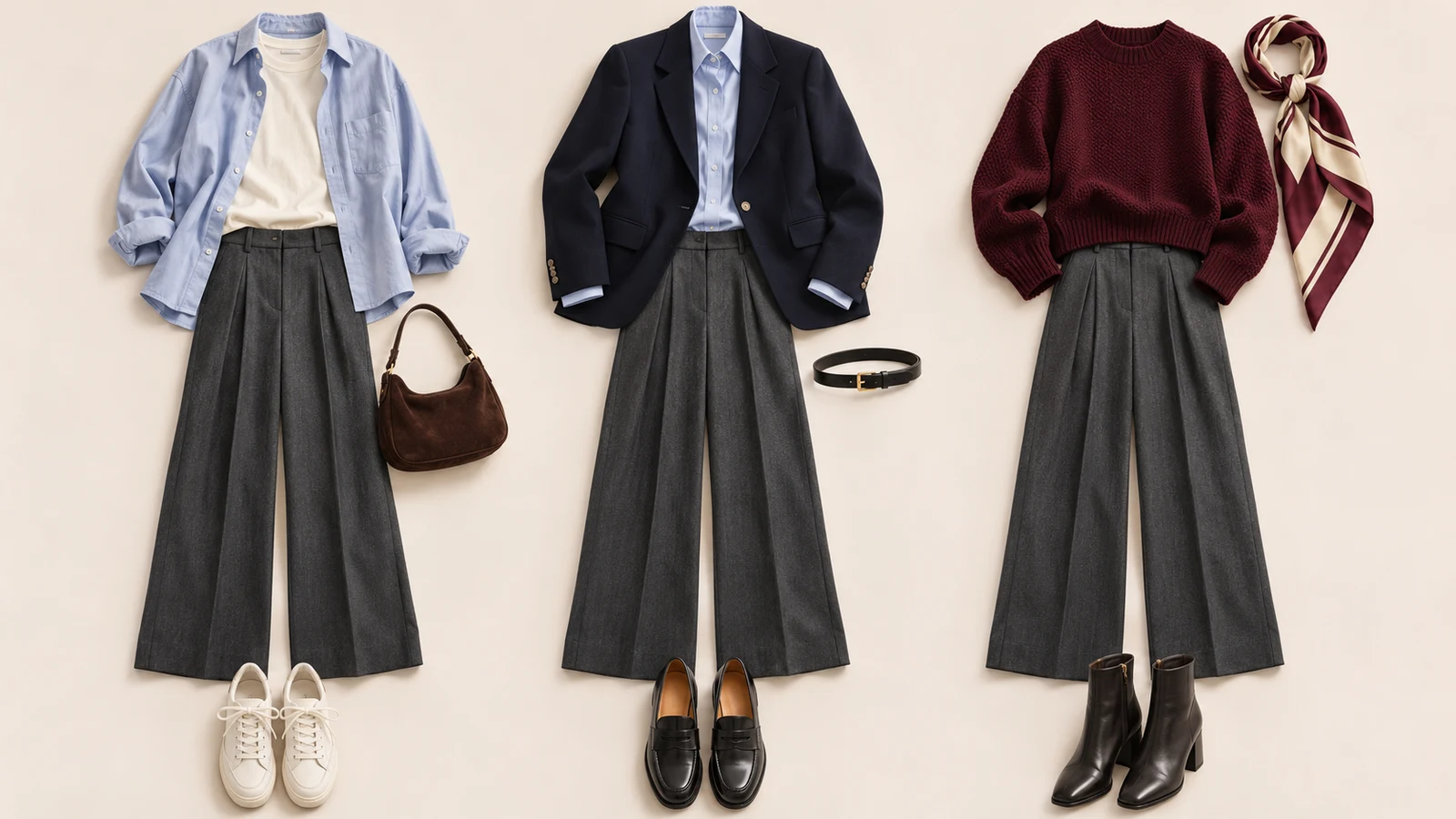
You have work or a meeting tomorrow, but you have not decided what to wear. There are plenty of clothes, your closet is full and neatly organized, yet the same combinations keep coming to mind. We will look at how to move your clothes into an app and build new outfits using proportions, colors, and textures.
Contents
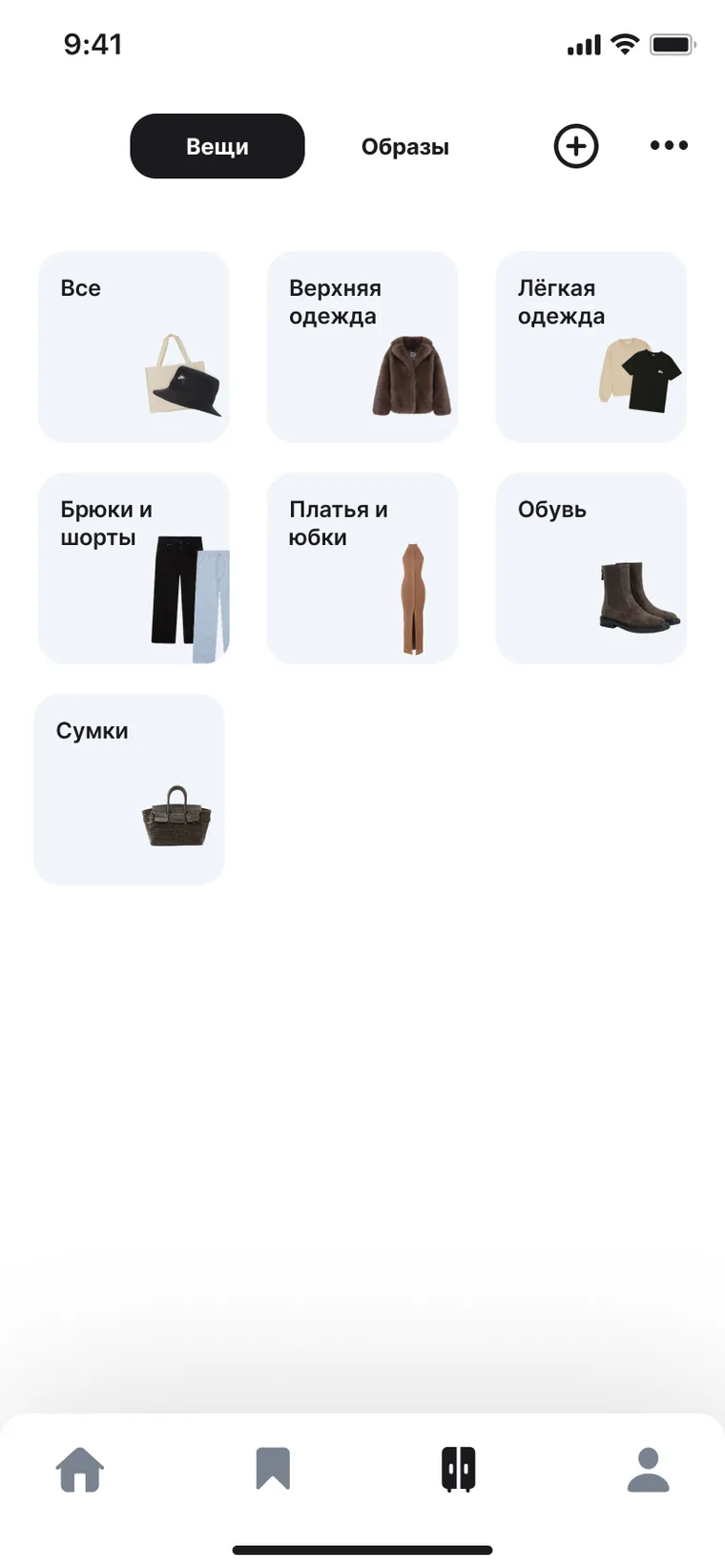
The best place to start is by choosing and downloading a digital wardrobe app. It stores your clothes as photos that you can quickly arrange into outfits without opening your closet. Place items on the screen, swap the shoes or top, and save the finished combination. This makes it easier to see what you already own and try options you usually never get around to.
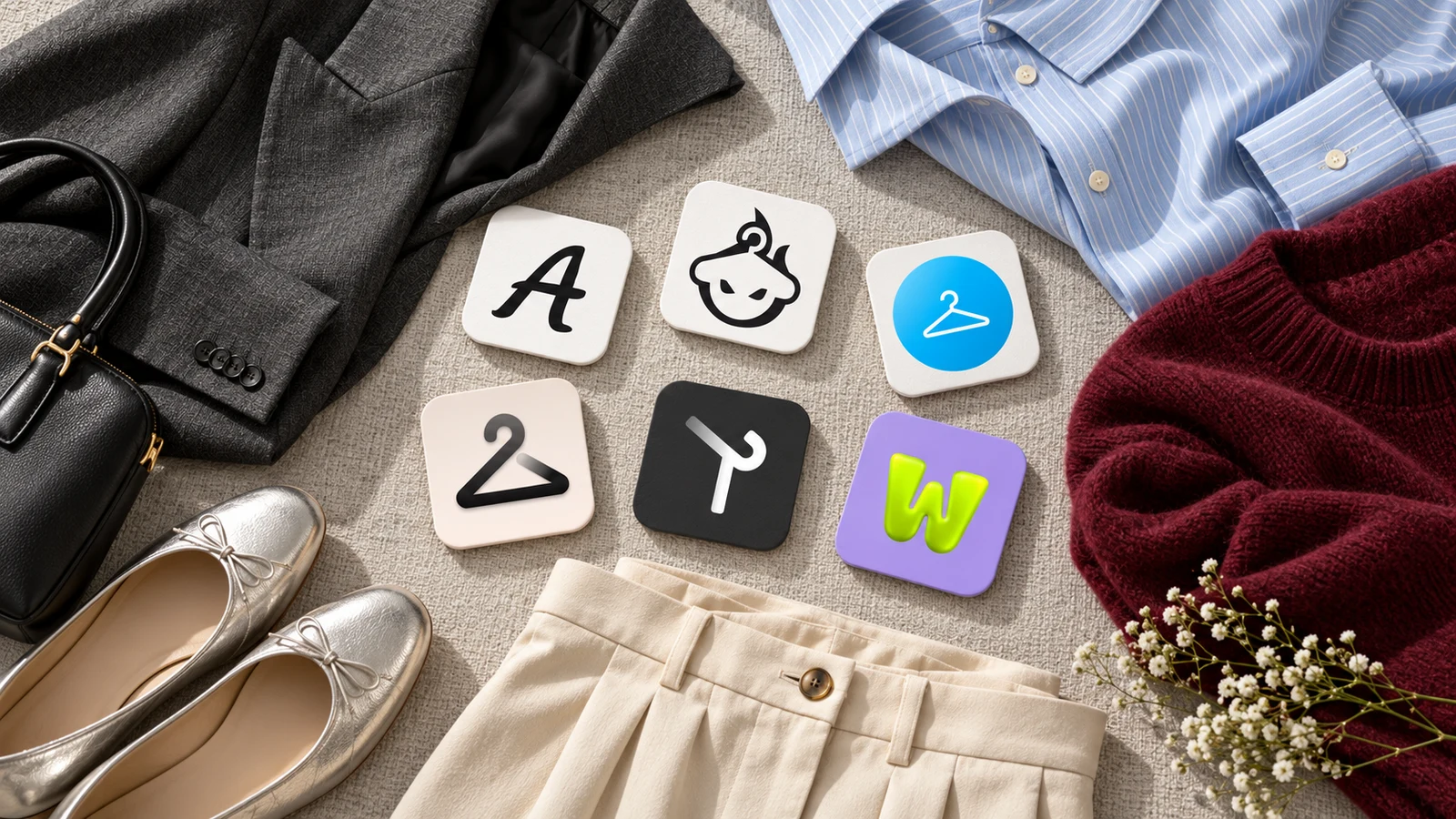
Here are a few popular wardrobe apps with different features:
Start with your seasonal wardrobe — fewer items make it easier to begin. The next season is still some time away, so you can return to it later. To start, add two pairs of pants, a skirt, a few T-shirts, a shirt, a sweater, a jacket, and shoes. That is enough to try your first combinations.
Photograph each item in full, in good light against a plain background — ideally a bedspread or sheet. Straighten sleeves and pant legs so the photo looks good. It is best to take photos in the same lighting and avoid filters. Different lighting and filters can distort an item's actual color, so a regular photo works best for your catalog.
Sort the photos into clear categories — tops, bottoms, shoes, outerwear, and accessories. Include pieces you love but rarely wear because they are hard to pair. Those are especially interesting to experiment with.
First, think about your plans for the day. Will you walk a lot, is there a dress code, and will you take off your outerwear indoors? This affects your choice of shoes, fabrics, and number of layers.
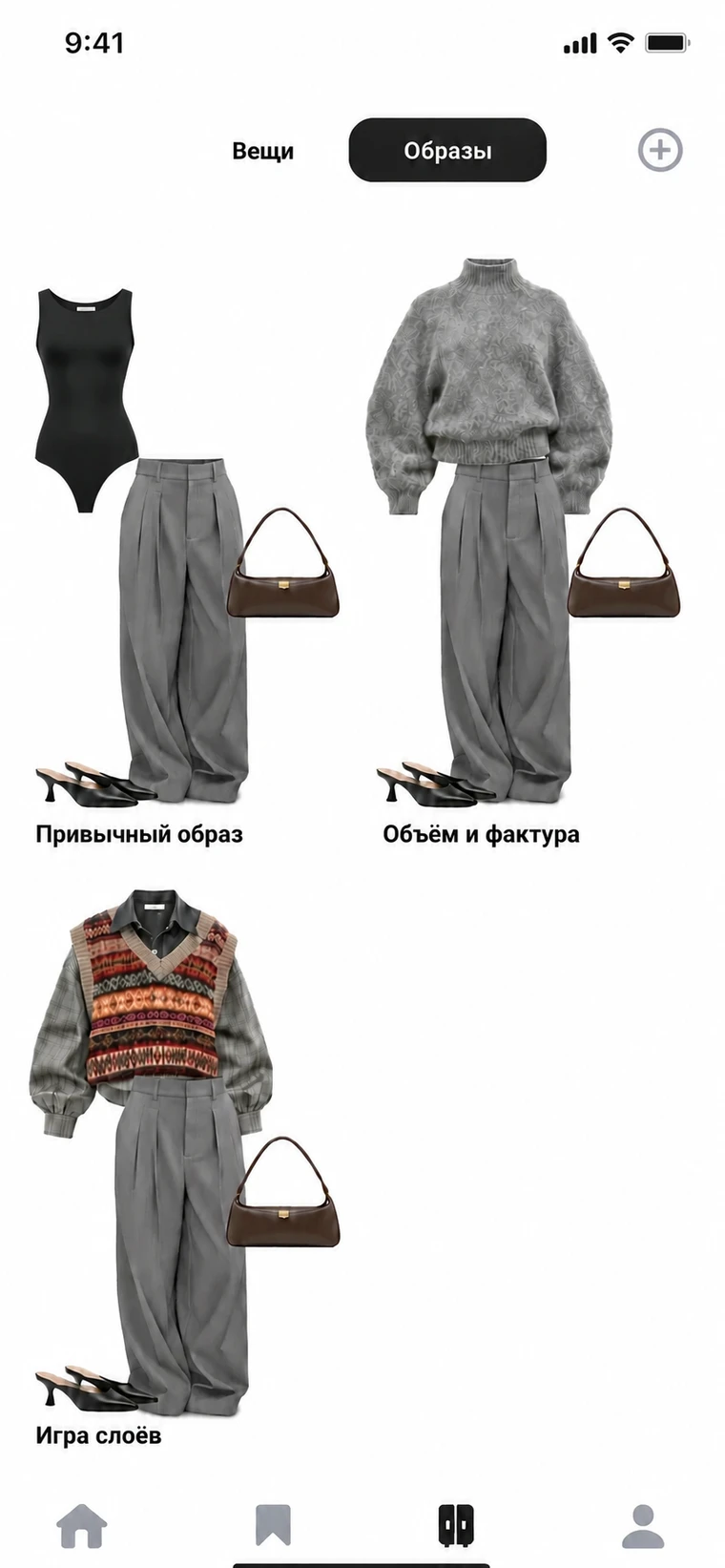
Then choose one starting piece. Let us say it is a pair of wide-leg gray pants that has been in your closet for a while. Add the other items one at a time, starting with a top and shoes.
To choose a mood, you can try stylist Allison Bornstein's three-word method. She suggests looking at the clothes you wear often and describing your desired style in a few words. For example, “relaxed, simple, colorful.” These guideposts help you decide which of two equally comfortable options feels more like you. Allison Bornstein on her method.
Color analysis systems assign people's coloring to palettes such as “spring” or “winter.” When choosing clothes, it helps to consider three properties of a shade separately — how light, warm, and saturated it is. Blue can be dark and muted or bright and light. You may prefer one shirt to another next to your face.
Try comparing a few pieces at home.
This at-home comparison helps you define your preferences. Lighting, makeup, and the specific fabric shade affect the result. Be careful with photos too — the camera may change the white balance between shots.
Then check your color season using free online services and compare the results. For example, https://facee.ru/color-type/
What you should learn from this is which color to wear closer to your face. That means tops and head accessories. The colors of bottoms matter less here: choose them to coordinate with your clothes rather than your appearance. If you like a bright color that feels unfamiliar near your face, try it in shoes, a bag, or pants. For example, add a red bag to your favorite gray sweater and see whether you like the outfit as a whole.
What science has studied. In a 2021 study, participants selected virtual clothing colors for photographs of 12 women with different skin tones. The researchers found agreement in some preferences. In a follow-up study in 2023, eye color played a noticeable role. These experiments examined ratings of specific images and do not establish a universal division of all people into four or twelve seasons. 2021 study, 2023 study.
To start, try three approaches with the items in your catalog.
Shades of one color. A light blue shirt, blue jeans, and a navy jacket. Differences in lightness help distinguish the pieces. You can build a look in brown or gray in the same way.
A quiet foundation and a color accent. Gray pants, a cream T-shirt, dark shoes, and a burgundy sweater. Assess the basic outfit first, then add the colorful piece. This makes it easier to see exactly what it changes.
Repeating one shade. If a shirt has blue and brown stripes, try blue jeans or a brown bag. The color already appears in the pattern and can tie the pieces together.
In a 2014 PLOS ONE study, 239 participants rated images of outfits with different color combinations. On average, moderately coordinated colors received the best ratings. The authors used a limited set of palettes and images, so the finding is more useful as a reason to experiment with similarity and contrast. Color combination study.
Try this in practice: save a quiet version of an outfit, then replace one piece with something more contrasting. Compare both versions. The number of colors alone does not determine whether you will like the outfit.
If you like the colors but the outfit feels wrong, look at where the top ends and how much volume there is at the shoulders, waist, and legs.
In its guide to proportions, Vogue suggests combining loose pieces with a more defined line elsewhere in the outfit. For example, try a tucked-in shirt or a cropped jacket with wide-leg pants. If both the top and bottom are loose, you can define the waist or expose the wrists. These are styling techniques you can test by trying them on. Vogue's guide to proportions.
With wide-leg gray pants, compare three versions of the same shirt — untucked, fully tucked, and tucked at the front. Then put on the shoes you plan to wear out. The length of the pants and the shape of the toe also affect the overall silhouette.
A collage is useful for choosing the pieces to try on. Assess their actual fit on your body, especially if the fabric is stiff or the item is voluminous.
When building layers, check fabric thickness, freedom of movement, and how the edges look around the neck, sleeves, and hem. In her layering advice, image consultant Imogen Lamport recommends starting with a thin base layer and paying attention to how necklines work together. Layering advice.
Simple combinations work well for a first attempt.
The edge of the lower layer can show. Try showing just the collar, then the collar and cuffs, then the bottom hem as well. Compare which version looks more put together on you.
Texture is a material's visible surface. Knitwear has loops, suede has a nap, and satin has a sheen. Different surfaces can make even a single-color outfit more expressive. Imogen Lamport suggests exploring textures through individual pieces and accessories, gradually making combinations more complex. Texture advice.
Here are a few combinations to try from your own wardrobe.
For your first experiment, replacing just one item is enough — for example, swapping a smooth sweater for a textured one while keeping the same pants and shoes. This makes it easier to see which combination you like.
When trying things on, check how the fabrics behave too. A sweater may catch on the layer underneath, a thin skirt may cling to tights, and a stiff shirt may bunch up under a fitted blazer. You will notice this as you move.
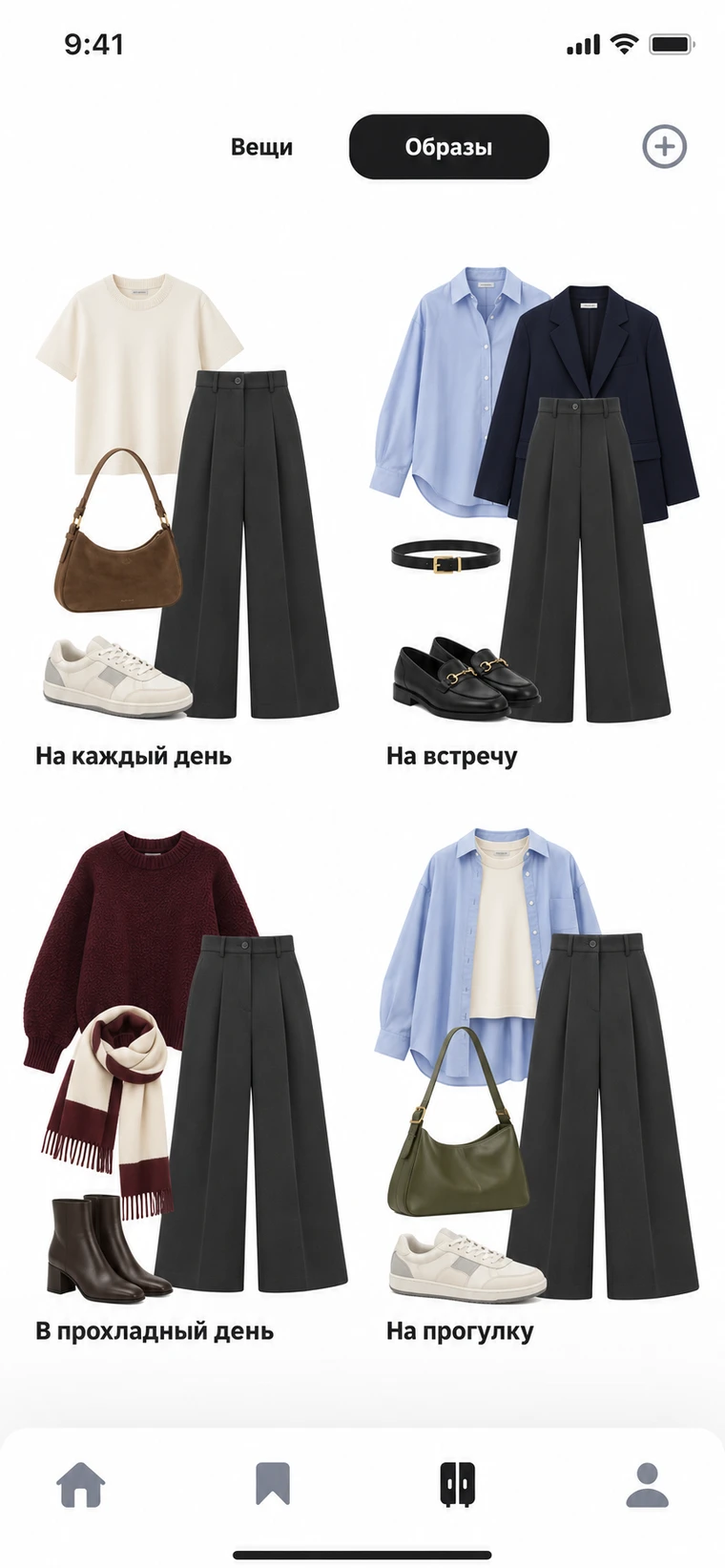
Let us return to the wide-leg gray pants. Suppose your wardrobe also includes a cream T-shirt, a light blue shirt, a burgundy sweater, a dark blazer, sneakers, and boots. You can try three outfits with these pieces.
For an ordinary day. The pants, cream T-shirt, and sneakers. Try tucking in the T-shirt to show the waistline. If you need another layer, add the open light blue shirt.
For a meeting. The same pants, light blue shirt, blazer, and boots. Check the blazer's length and how the pants fall over the shoes. Here, the main change comes from the more formal pieces and the silhouette.
For a cool day. The pants, burgundy sweater, and boots. Gray provides a quiet foundation for the colorful top, while the knit adds texture. Choose outerwear separately to suit the weather.
Build these options in the app using photos of your own clothes. If you do not have an item, try something similar from your closet. Save the versions you want to try on.
Put on the complete outfit, including shoes and outerwear. Sit down, walk around, and raise your arms. Check that you can comfortably fasten your jacket over the layers and do not have to keep adjusting your clothes.
If something feels off, change one element at a time. Try different shoes first, then a top or a different way of tucking it in. This makes it easier to identify which detail changes the impression.
Give a successful outfit a clear name — “office, cool weather,” “after-work meeting,” or “weekend, lots of walking.” If the app allows it, add a photo of yourself in the outfit or a note about the fit. Next time, you can open a ready-made option and check whether it suits your plans and the weather.
Add photos of your clothes, choose a main piece, and find a top or bottom, shoes, and extra layers to go with it. Save several combinations and try them on. The screen makes it easy to compare options, while trying them on reveals fit and comfort.
You can start by comparing items next to your face in the same lighting. Note which shades you like alongside your skin, eyes, and hair. Color palettes can suggest options to try, while the final choice depends on how you see the outfit.
Choose one item and add the others one at a time. Check color, top length, volume, textures, and shoes. For example, try a shorter top with wide-leg pants or matte knitwear with a shiny skirt. It is best to assess each option on yourself.
Apps with these features suggest combinations from uploaded items. Acloset's recommendations account for the weather and occasion. The more complete your catalog and the more accurate the item details, the more useful information the system has for making suggestions. Check the suggested outfit for comfort and suitability for your plans. How Acloset recommendations work.
Comparing Kiru, Acloset, GetWardrobe, Tidy, Whering, and Fits: creating outfits from your own clothes, wardrobe organization, free features, and limits.
November 2, 2026 · 10 min
What a capsule wardrobe is and how to build one from the clothes already in your closet. Step by step, without shopping.
August 30, 2026 · 4 min